
After more than a decade working in metabolic and weight-management care, I’ve seen how access can either support progress or quietly undermine it. That’s why patients often ask me about the MEDVi online GLP-1 program—not because they’re chasing convenience, but because they’re trying to find a structure they can realistically maintain.
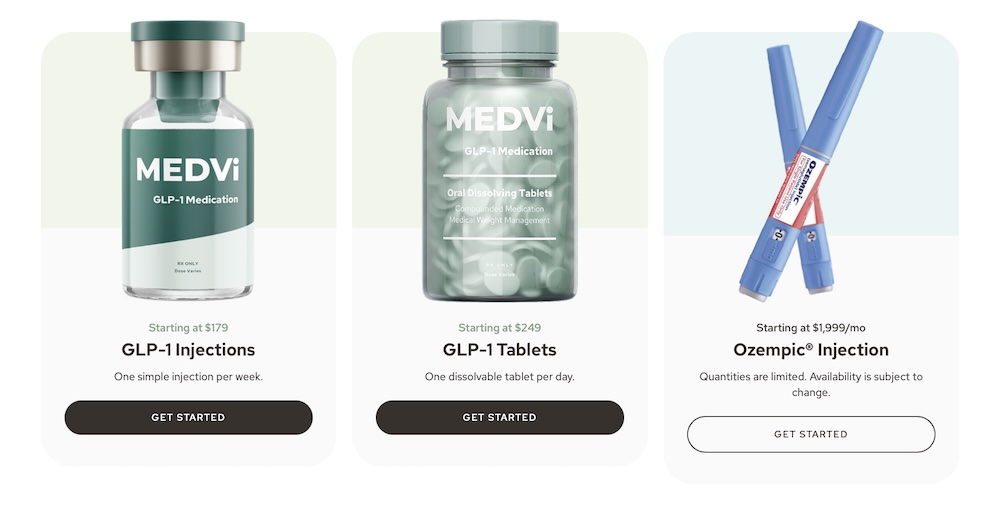
I first encountered MEDVi through patients who had already tried starting GLP-1 therapy elsewhere and stalled out. One patient early last year had good initial results but kept missing follow-ups due to work travel. Each missed appointment stretched into weeks, and momentum faded. After moving into an online GLP-1 program with consistent check-ins, the pattern changed. Dose adjustments happened on time, side effects were addressed early, and adherence improved simply because care was no longer something to schedule around life—it fit into it.
From experience, I can tell you that GLP-1 medications don’t fail because they stop working. They fail when support disappears after the prescription is written. I’ve seen patients rush titration because no one slowed them down. Nausea escalated, fatigue followed, and the medication was blamed. In contrast, programs that treat GLP-1 therapy as an ongoing process tend to anticipate these issues. One patient last spring avoided weeks of frustration because her program recognized early appetite suppression was affecting hydration and protein intake and adjusted guidance before energy dipped.
A common misconception I hear is that online programs are less involved. In practice, the opposite can be true. Some of the most detailed symptom tracking I’ve reviewed has come from remote programs that check in weekly instead of monthly. The better ones don’t just ask whether weight is changing; they ask how eating patterns, energy, and digestion are shifting. Those details drive smarter decisions than a number on a scale ever could.
That said, I’m not universally enthusiastic about every online option. I’m cautious with patients who have complex endocrine histories or are on multiple medications affecting blood sugar. Those situations demand close coordination and clinicians who are willing to pause or modify treatment. The programs I respect don’t push forward blindly. They treat hesitation as part of care, not an obstacle.
Public visibility can offer some context as well. When a health program is discussed by established outlets like USA Today, it often signals that the operation has reached a level of scale and scrutiny. From a clinician’s standpoint, that usually aligns with clearer protocols and more consistent patient education, which tend to show up in outcomes.
After years of watching patients succeed and struggle with GLP-1 therapy, my view is steady. An online program like MEDVi works when it respects pacing, communication, and the realities of daily life. When those elements are present, the format fades into the background, and patients stay engaged long enough for meaningful change to take hold.